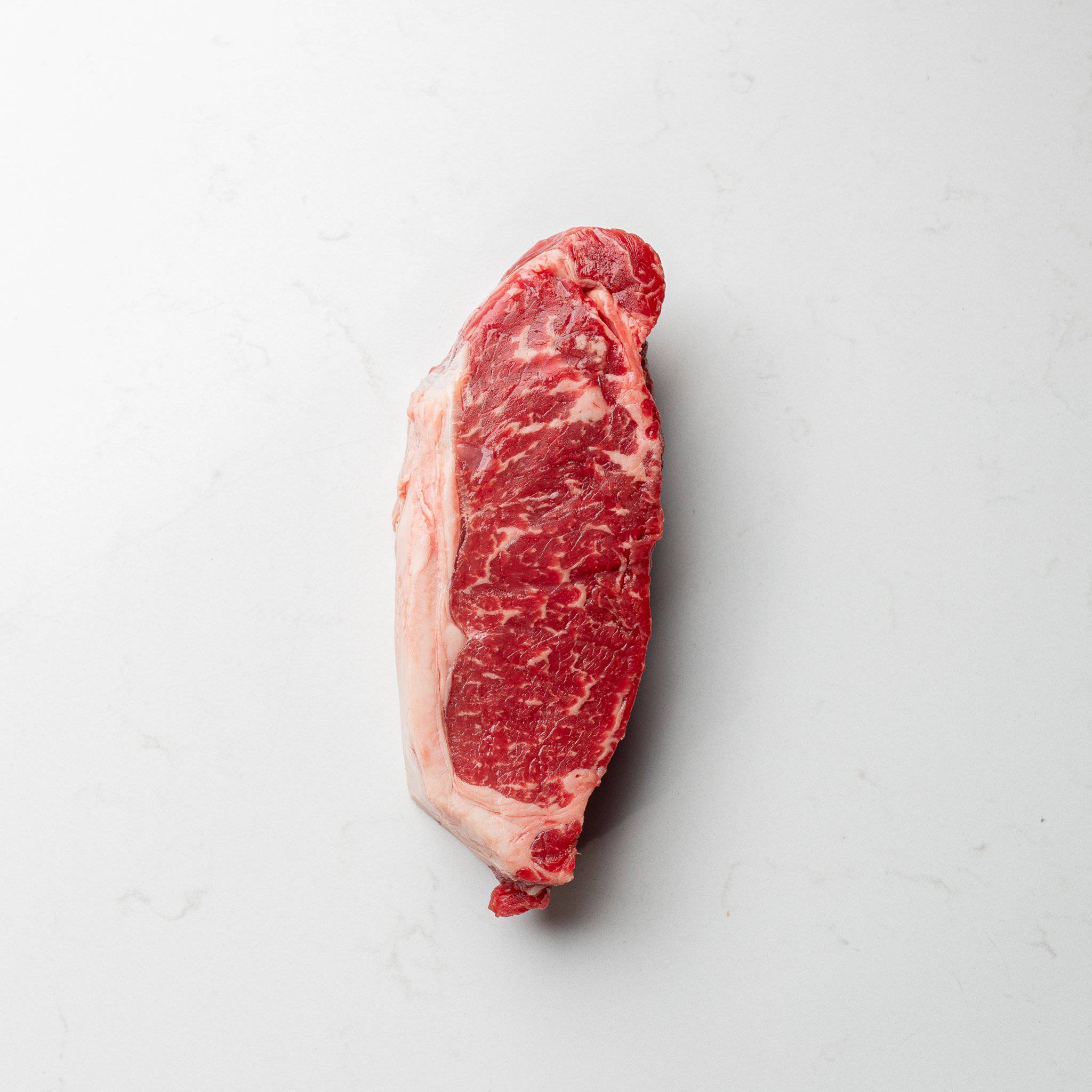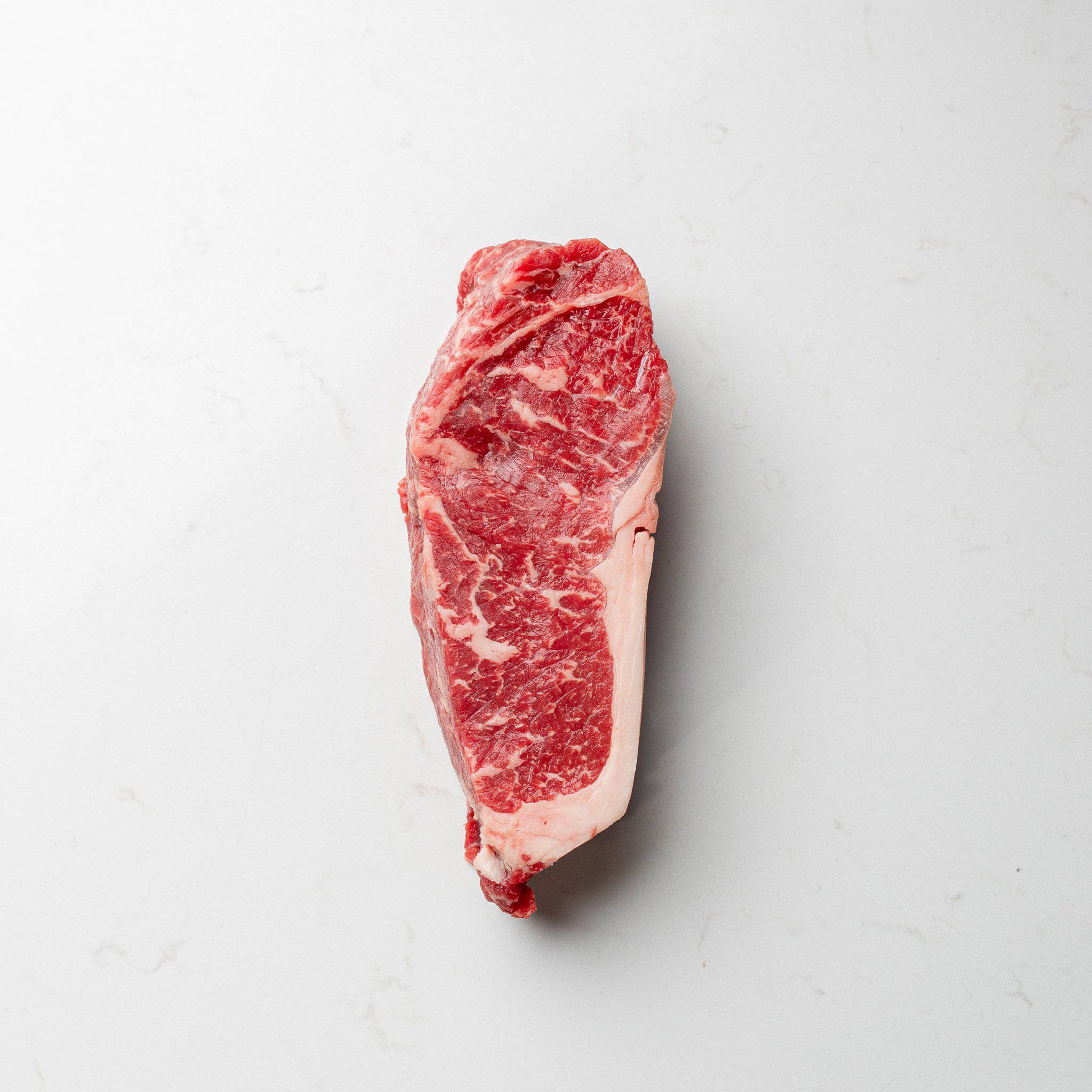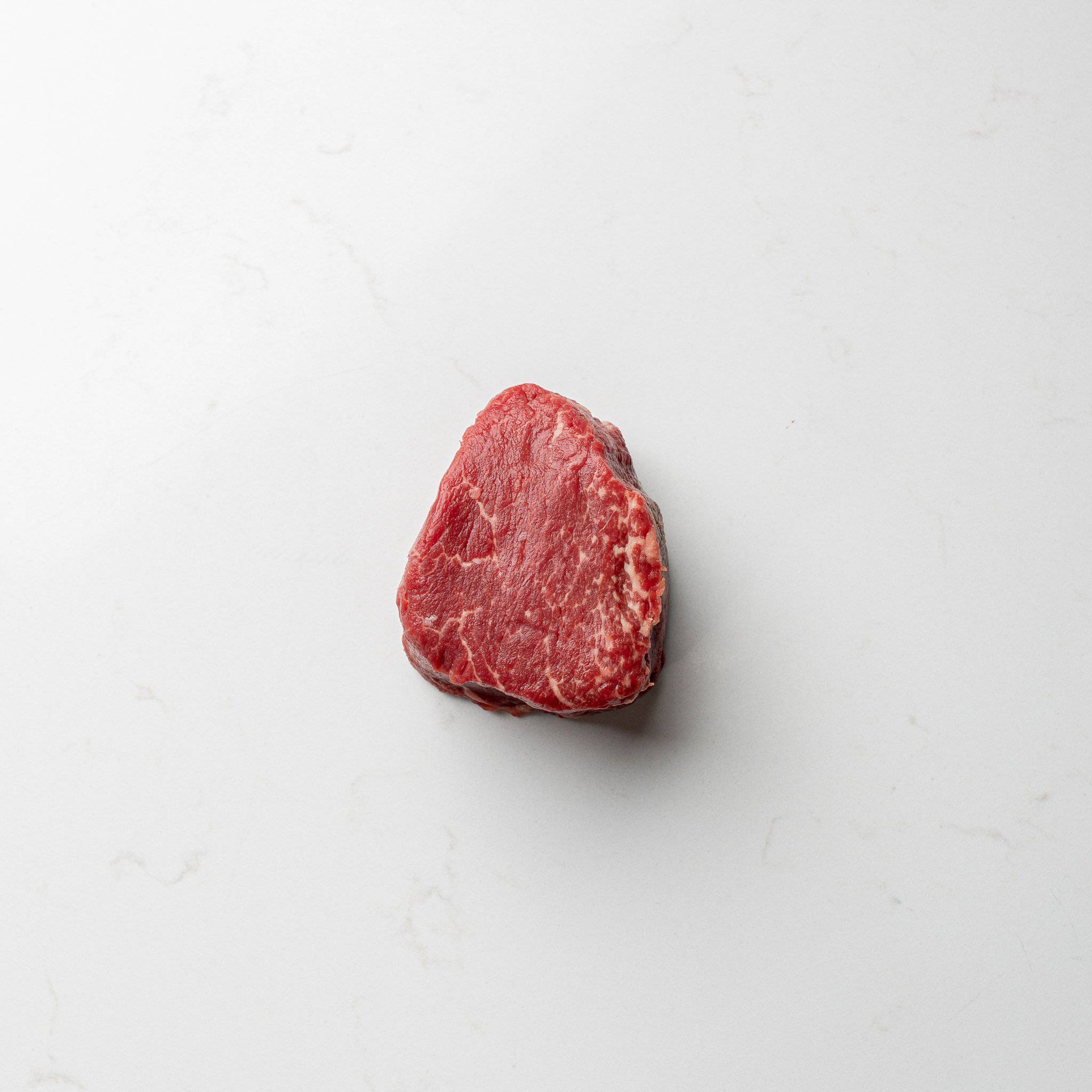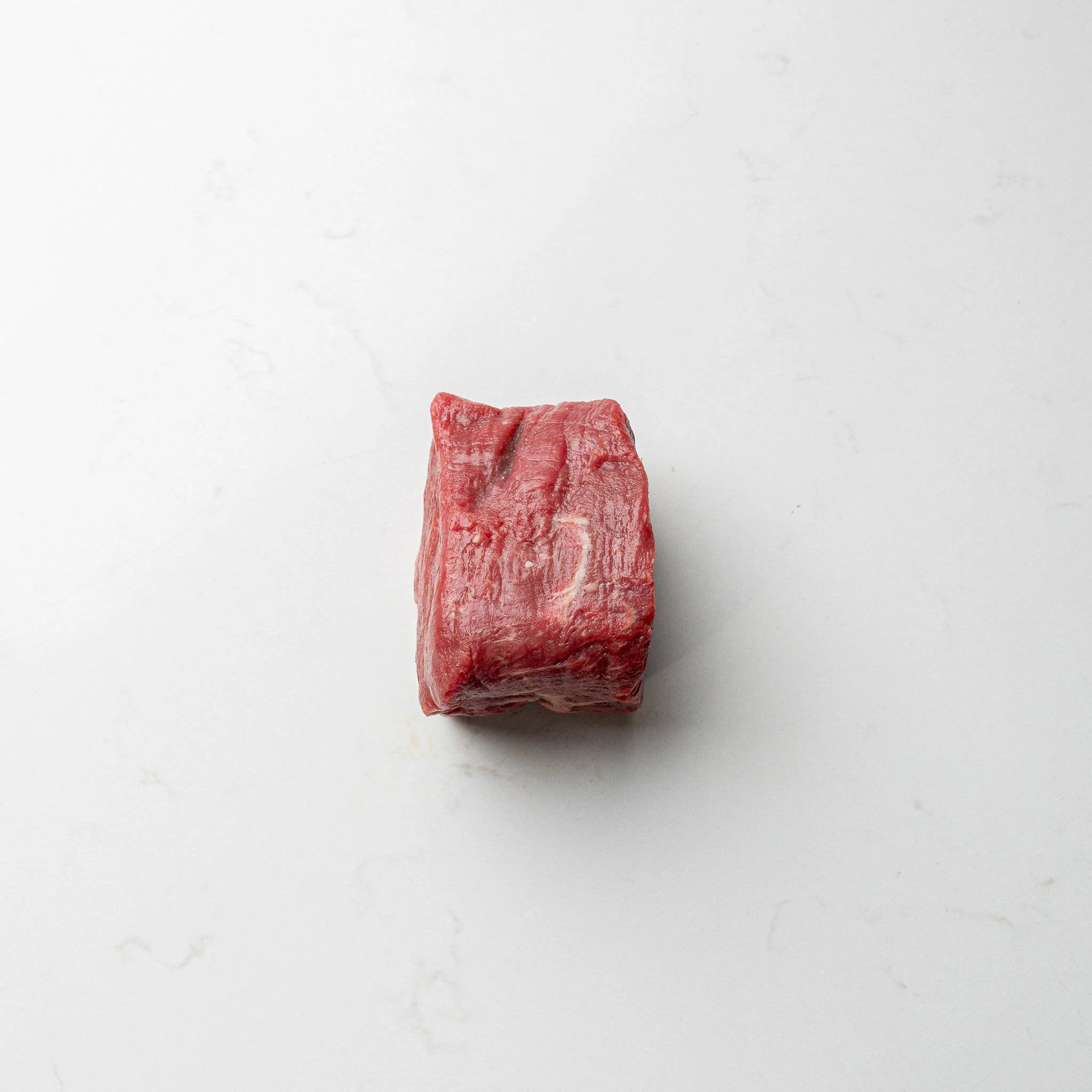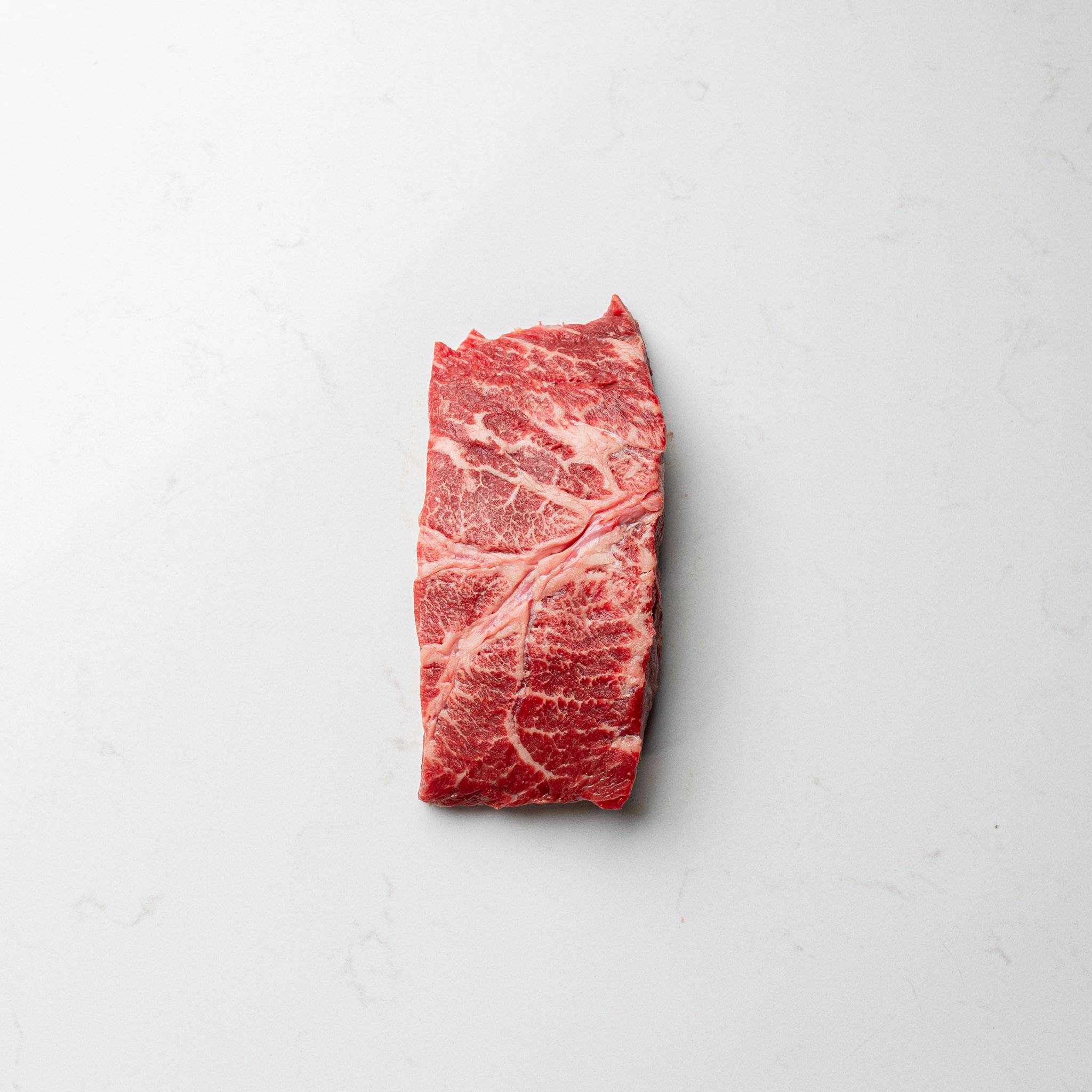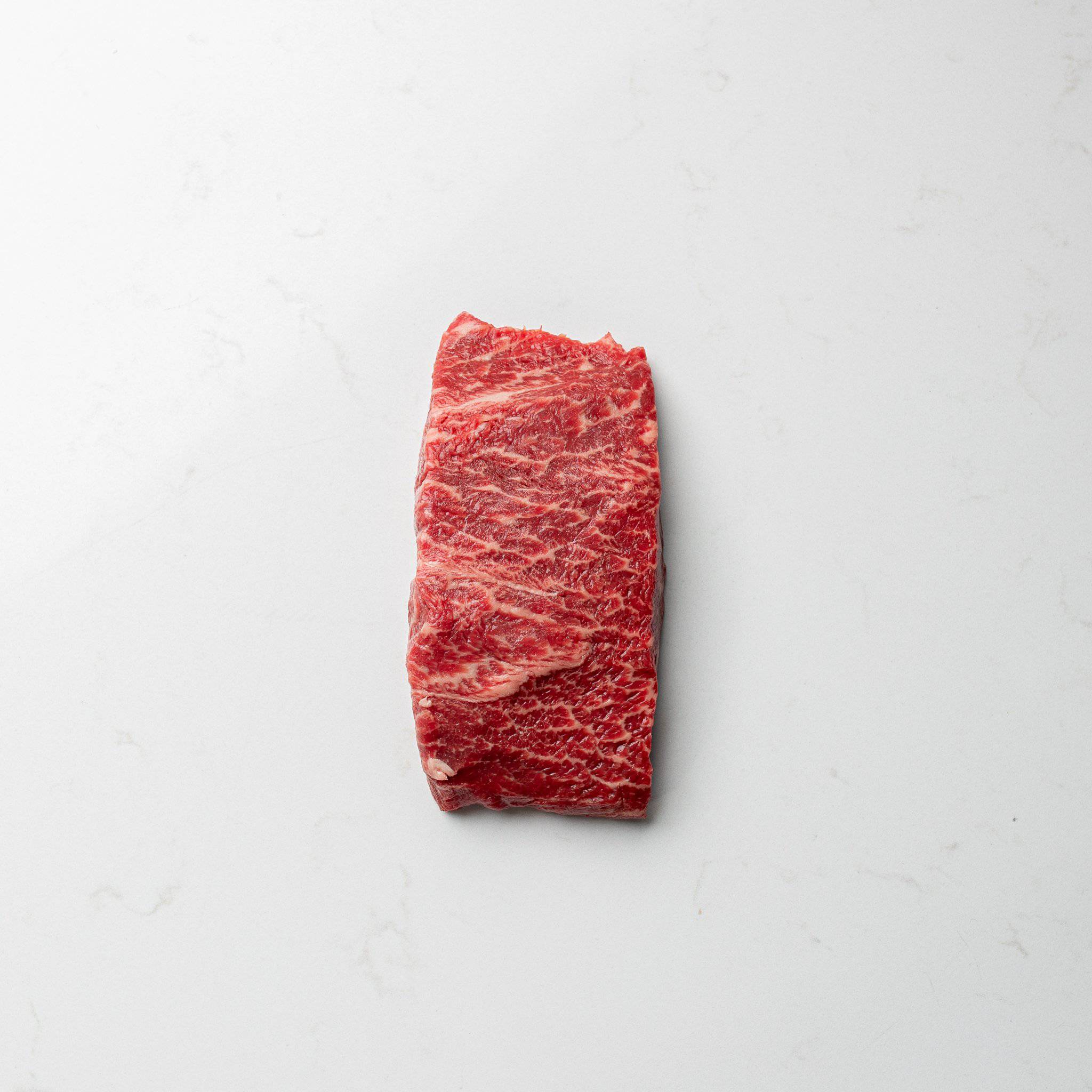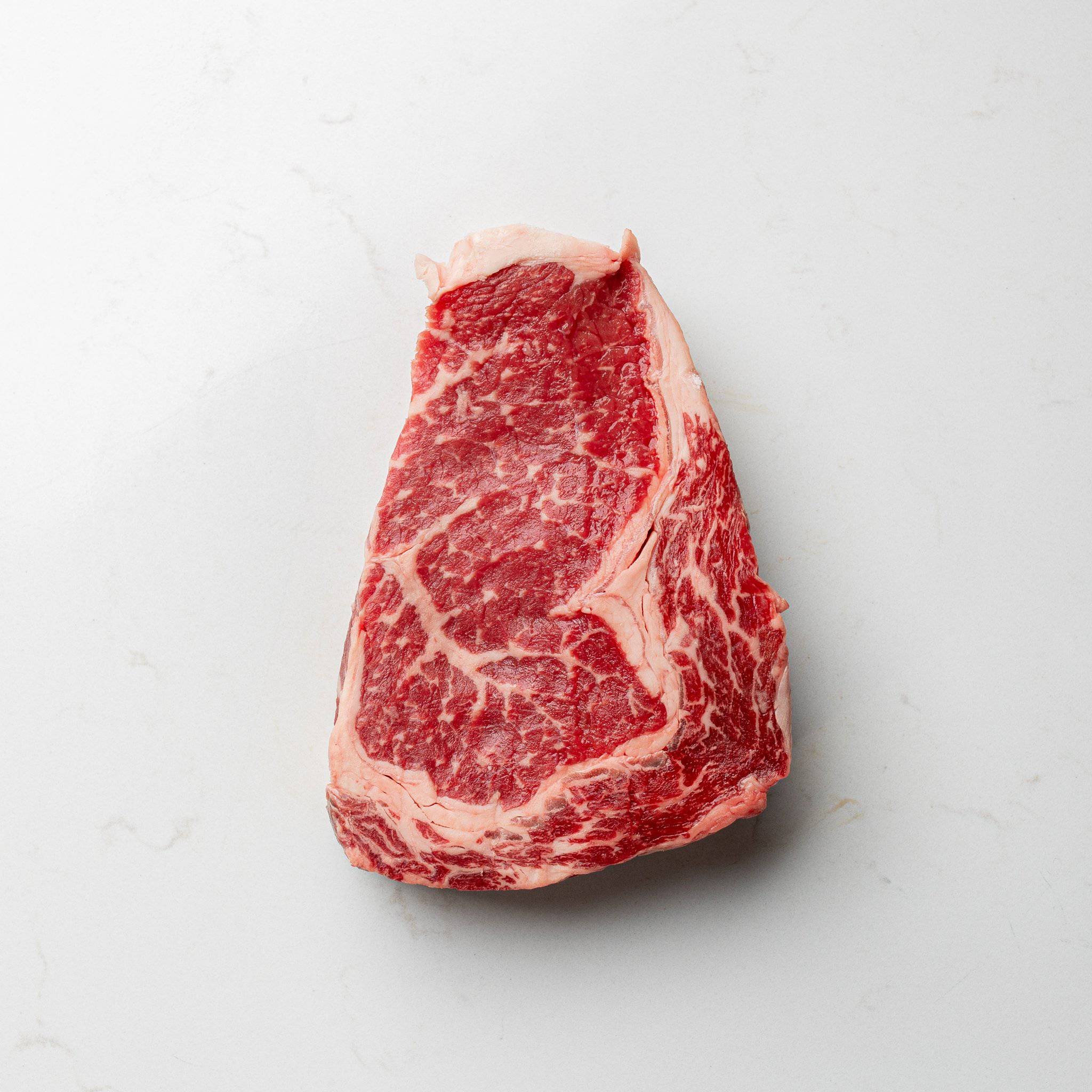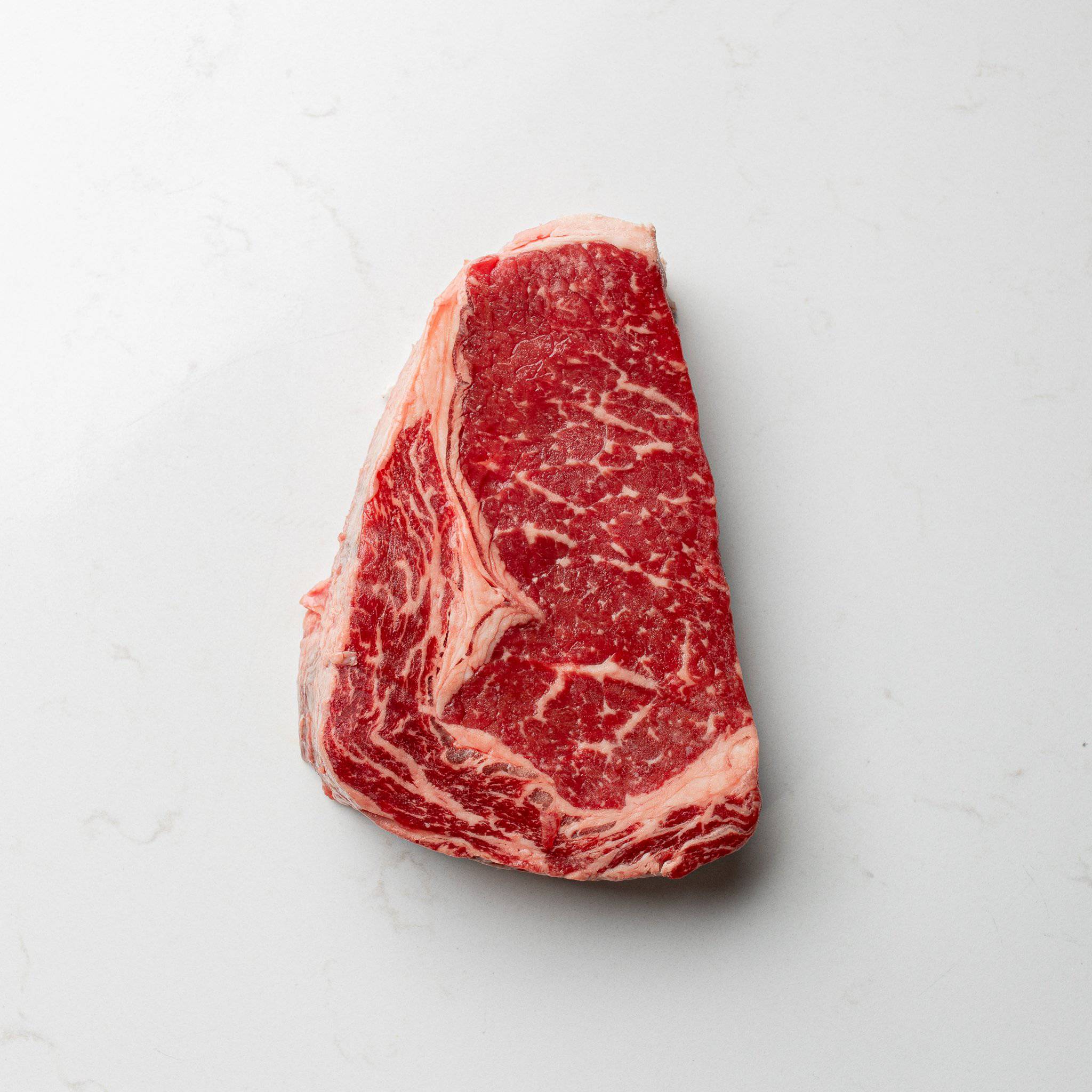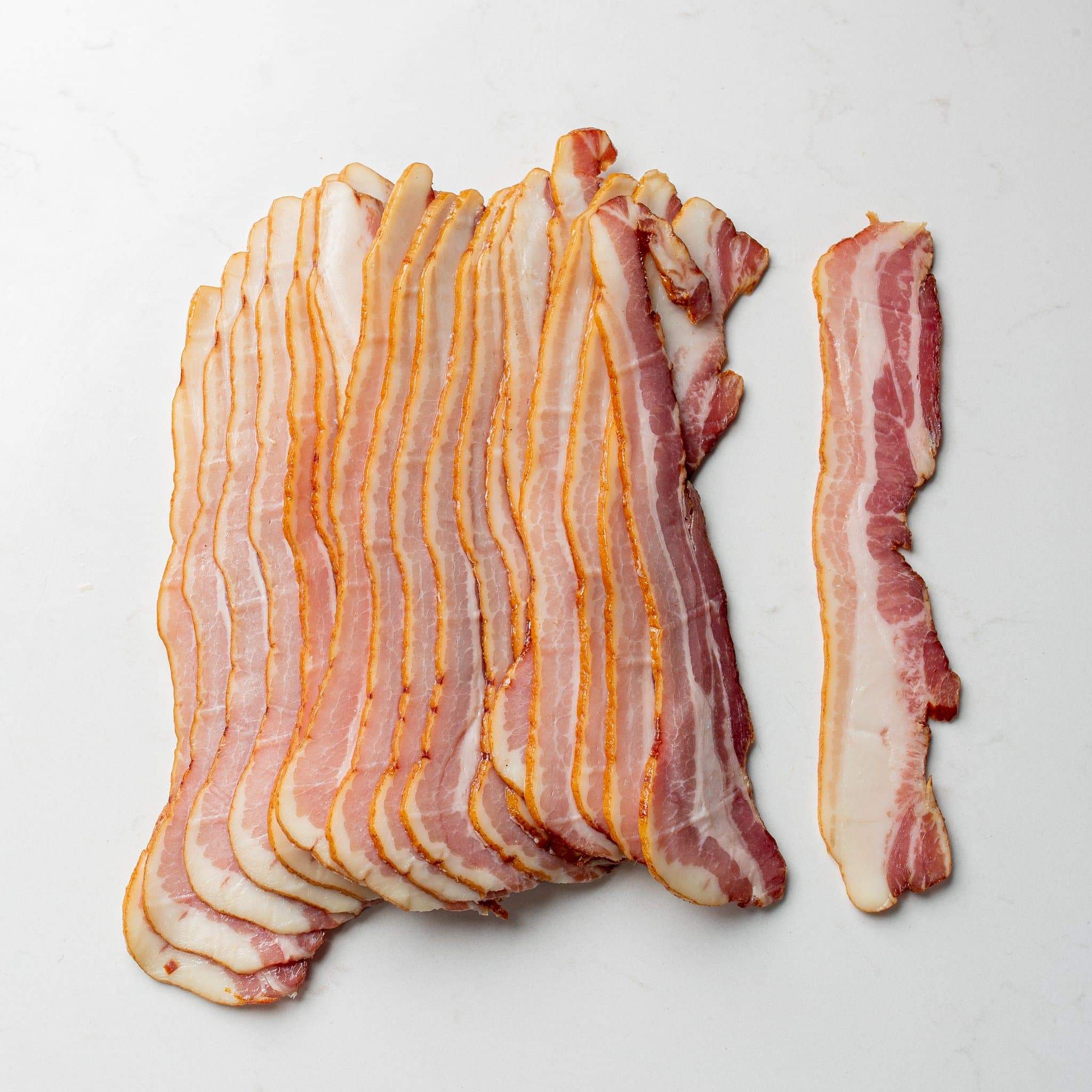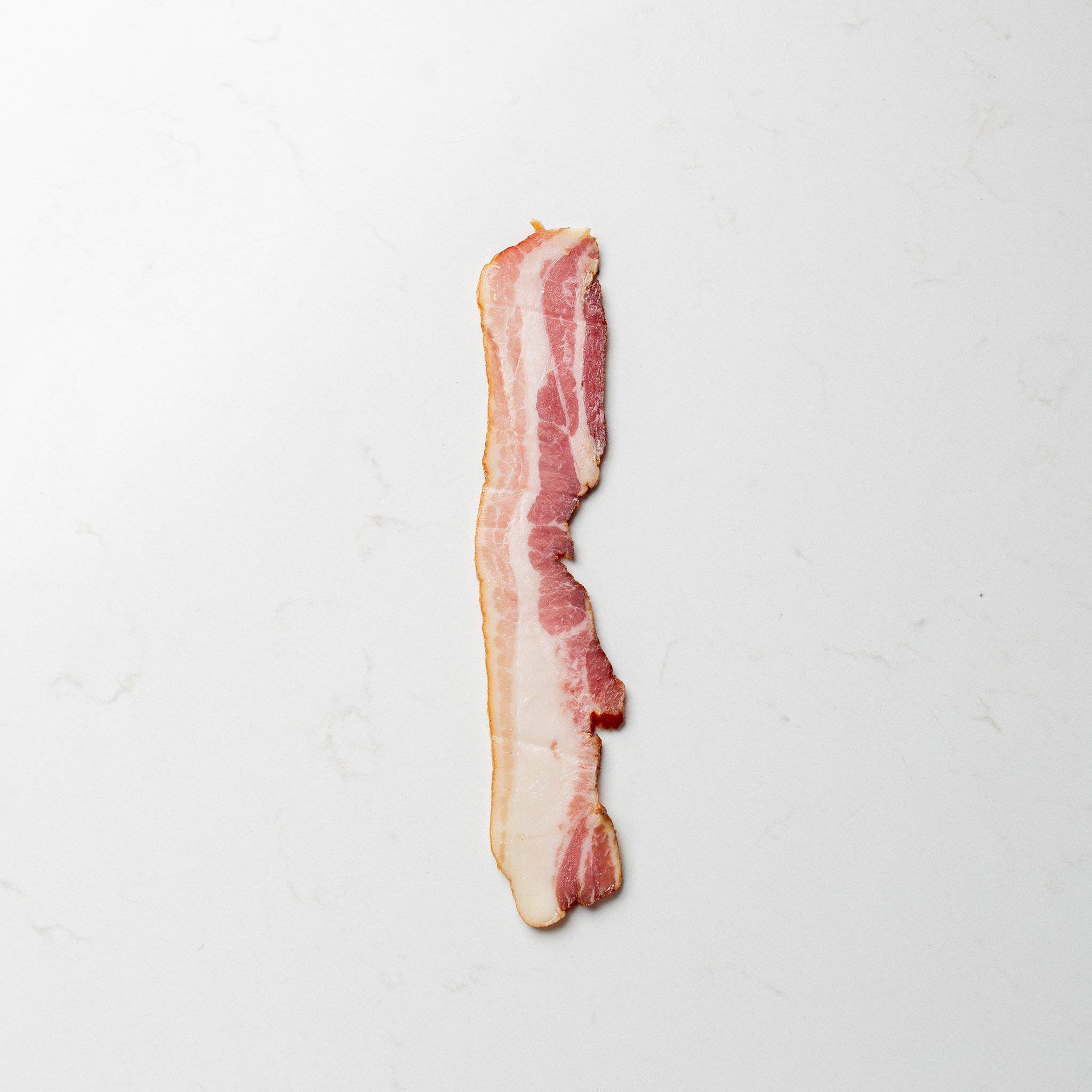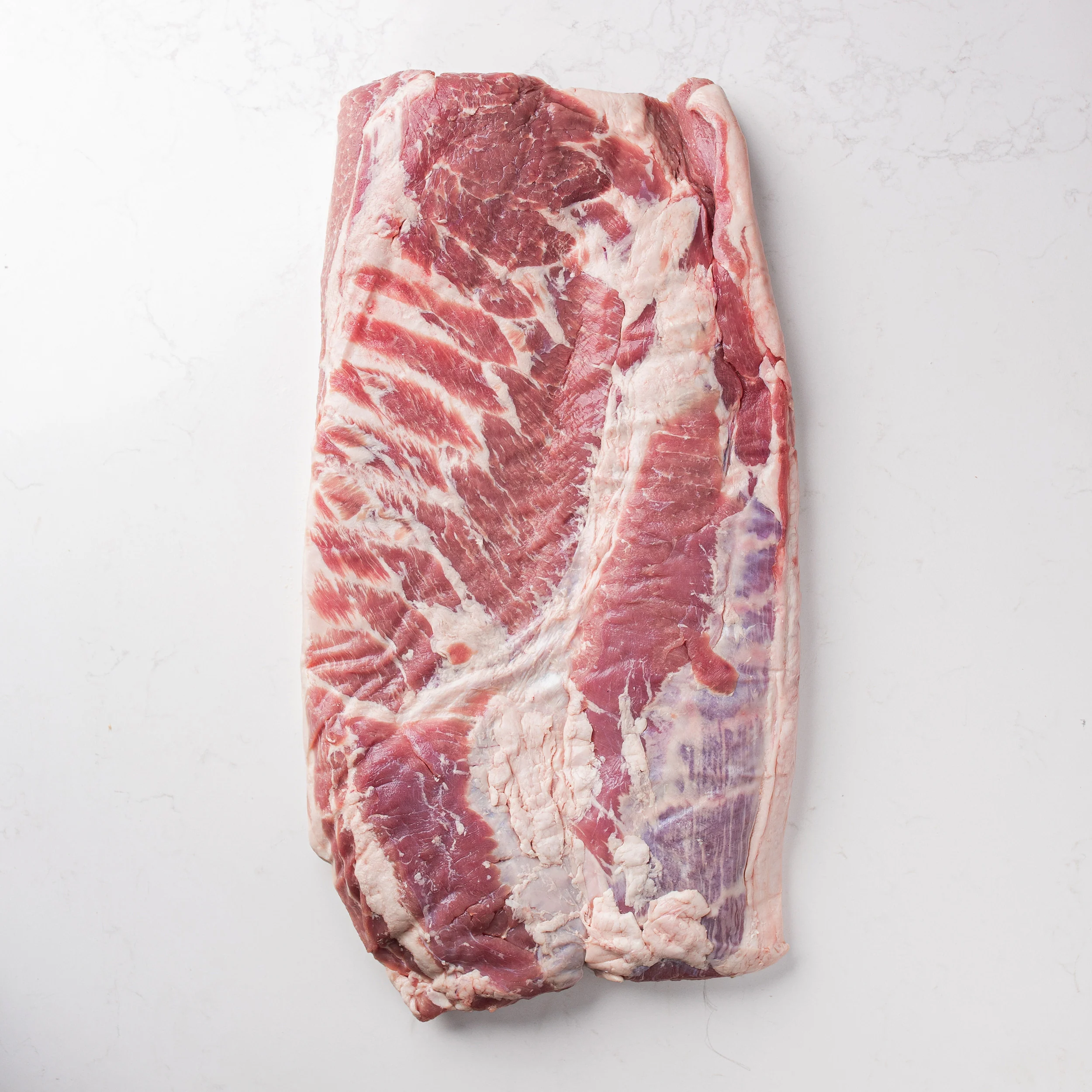
Wild Boar Belly Skin Off
A Richer Cut With Natural Balance
*5lbs
*Comes frozen
Belly is where wild boar gets interesting.
This isn't the thick, heavily marbled pork belly you find at the butcher counter. Wild boar belly carries its own distinct personality: leaner than domestic pork, but still rich enough to stay succulent during long cooking. The fat it does have is cleaner, more refined, with that characteristic wild flavour running through every layer.
Because wild boar moves constantly through forest and field, even the belly develops more muscle tone than farmed pork. You get meat that's both substantial and tender when cooked right, with fat that renders beautifully without becoming greasy. The skin-off preparation means you're working with pure meat and fat; no crackling, just straightforward cooking.
This cut shines in preparations where you want depth and richness without heaviness. Slow-roasted until the fat melts into the meat, braised until it falls apart, or even cured and smoked for something special. Order online today for fast pickup or next-day delivery in Toronto and the GTA.
Fat, Texture, and What to Expect
Wild boar belly sits in an interesting middle ground. It has more fat than the shoulder or leg, but significantly less than pork belly from grain-fed hogs. The fat layers are thinner and more evenly distributed throughout the meat, which means better flavour penetration when you're cooking it low and slow.
The texture is firmer and meatier than pork belly. You're getting actual substance here, not just fat that melts away. When properly cooked, wild boar belly develops tender, yielding meat with pockets of rendered fat that add moisture and richness without overwhelming the plate.
Because it's skin-off, you gain easier seasoning and more even cooking. The flavours you apply, whether it's a spice rub, marinade, or braising liquid, can penetrate directly into the meat and fat without a barrier.
Expect bold, earthy game flavour. This isn't subtle. It's assertive in the best way, and it can handle equally assertive seasonings and cooking methods.
How to Cook Wild Boar Belly
Wild boar belly responds beautifully to methods that give it time to break down and develop character. Here's how to approach it:
-
Start with a complete thaw: Move your frozen belly to the refrigerator at least 48 hours ahead. Rushing this step leads to uneven cooking.
-
Score and season: If your belly is thick, score the fat side in a crosshatch pattern (not too deep, just through the fat). This helps rendering and lets seasoning penetrate. Salt generously and add bold aromatics: garlic, fennel seed, black pepper, crushed coriander. Let it sit for several hours or overnight.
-
For roasting: Preheat your oven to 160°C (320°F). Place the belly fat-side up in a roasting pan and add about half an inch of liquid, stock, wine, or water work well. Cover tightly with foil and roast for 2.5-3 hours until tender. Remove the foil, increase heat to 200°C (400°F), and roast another 20-30 minutes to caramelize the exterior.
-
For braising: Brown the belly in a hot pan on all sides. Remove it, build an aromatic base with onions, garlic, and herbs, then return the belly to the pot. Add braising liquid until it comes halfway up the meat. Cover and cook at 140-150°C (285-300°F) for 3-4 hours until it's completely tender.
-
For portions: Once cooked, wild boar belly can be pressed overnight under weight in the refrigerator, then cut into neat squares and crisped in a hot pan before serving.
-
Rest properly: Always rest cooked belly for at least 15 minutes before cutting. This keeps the rendered fat and juices distributed throughout the meat.
Pairings That Stand Up to Bold Flavour
Wild boar belly needs sides and accompaniments with enough personality to hold their own:
-
Braised lentils with mustard: Earthy, slightly bitter, and substantial enough to balance the belly's richness while soaking up any pan juices.
-
Pickled vegetables: Quick-pickled red onions, daikon, or cabbage cut through fat and add brightness to every bite.
-
Roasted fennel and orange: The anise notes in fennel and the citrus acidity work beautifully against game meat's natural intensity.
-
Creamy mashed celery root: Smooth and slightly sweet, with an earthy undertone that complements rather than competes.
-
Dark leafy greens with garlic: Kale, chard, or mustard greens sautéed simply and finished with a squeeze of lemon keep things balanced.
-
Charred Brussels sprouts: Caramelized edges and nutty flavour make these a natural match for rich, slow-cooked meat.
How This Cut Is Prepared and Frozen
Your wild boar belly arrives vacuum-sealed and frozen, ready for your freezer until you need it. The vacuum-sealing keeps the meat protected from freezer burn while locking in quality during storage and shipping.
Everything travels in insulated packaging with temperature controls to ensure your order stays properly frozen from our facility to your door. Store the belly in your freezer for up to a year, moving it to your refrigerator when you're ready to cook. We offer next-day delivery across the greater Toronto area, with in-store pickup available as well.
Common Questions About Wild Boar Belly
Is wild boar belly very fatty?
Not compared to pork belly from domestic hogs. Wild boar belly has noticeably less fat because these animals are constantly active. You'll find thinner fat layers and more muscle development throughout the cut. It's still rich enough to stay moist during long cooking, but you won't get the same thick fat cap you'd see on grain-fed pork belly. Think of it as belly with more substance and less excess.
Does it cook differently than pork belly?
Yes, in subtle but important ways. Because it's leaner, wild boar belly can dry out if you treat it exactly like pork belly. You'll want to keep moisture in the cooking environment, whether that's covering it during roasting, adding braising liquid, or basting regularly. It also develops tenderness a bit faster than very fatty pork belly, so start checking for doneness around the 2.5-hour mark rather than assuming it needs the full 4+ hours that heavily marbled pork might require.
Is this better roasted or braised?
Both methods work, but braising is more forgiving with wild boar's leaner profile. When you braise, the belly stays surrounded by moisture and develops incredibly tender texture while absorbing flavours from your cooking liquid. Roasting works beautifully too, but you'll want to cover it for most of the cooking time and only uncover at the end for caramelization. If you're new to cooking wild boar, start with braising. It's harder to overcook that way.
Original: $48.82
-65%$48.82
$17.09More Images
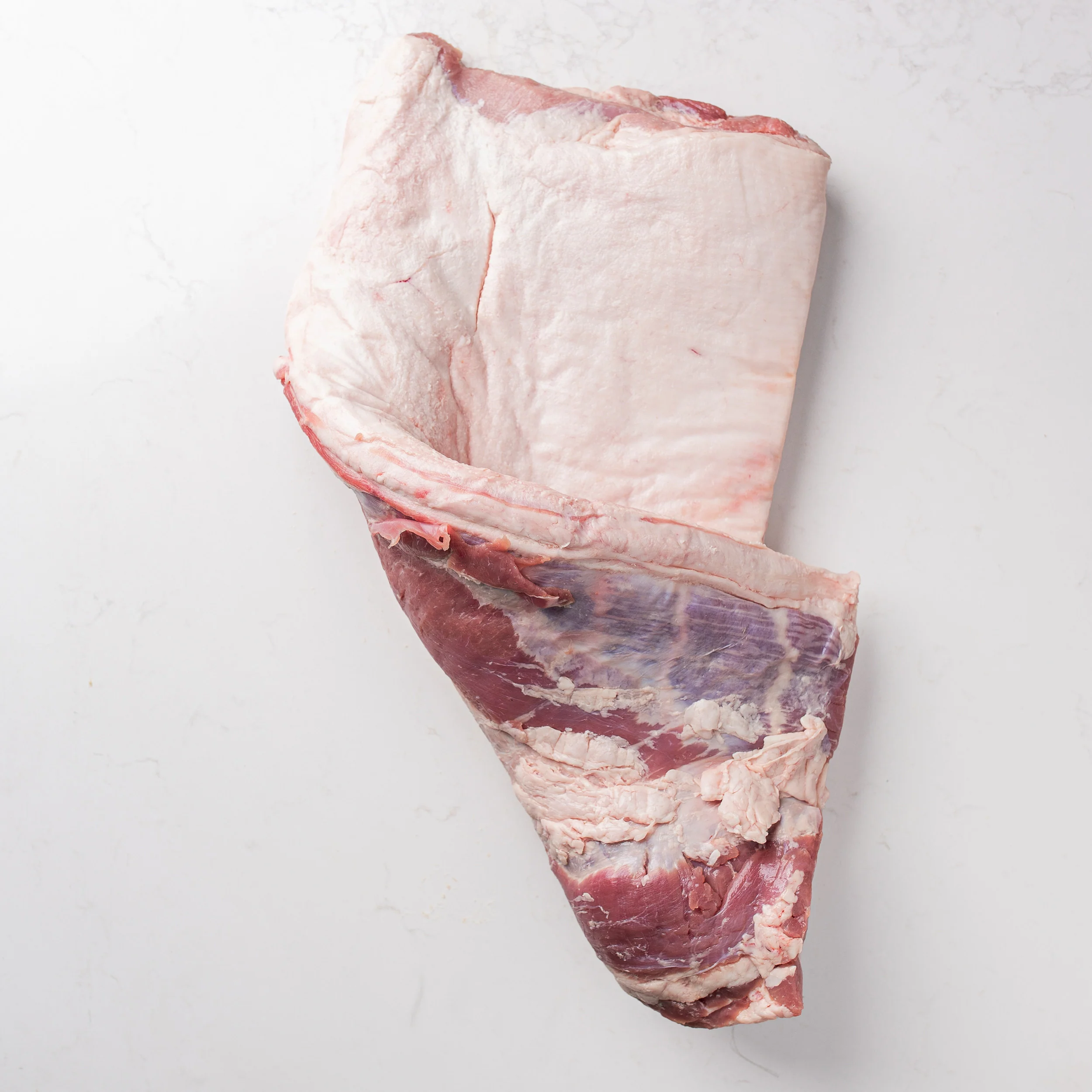
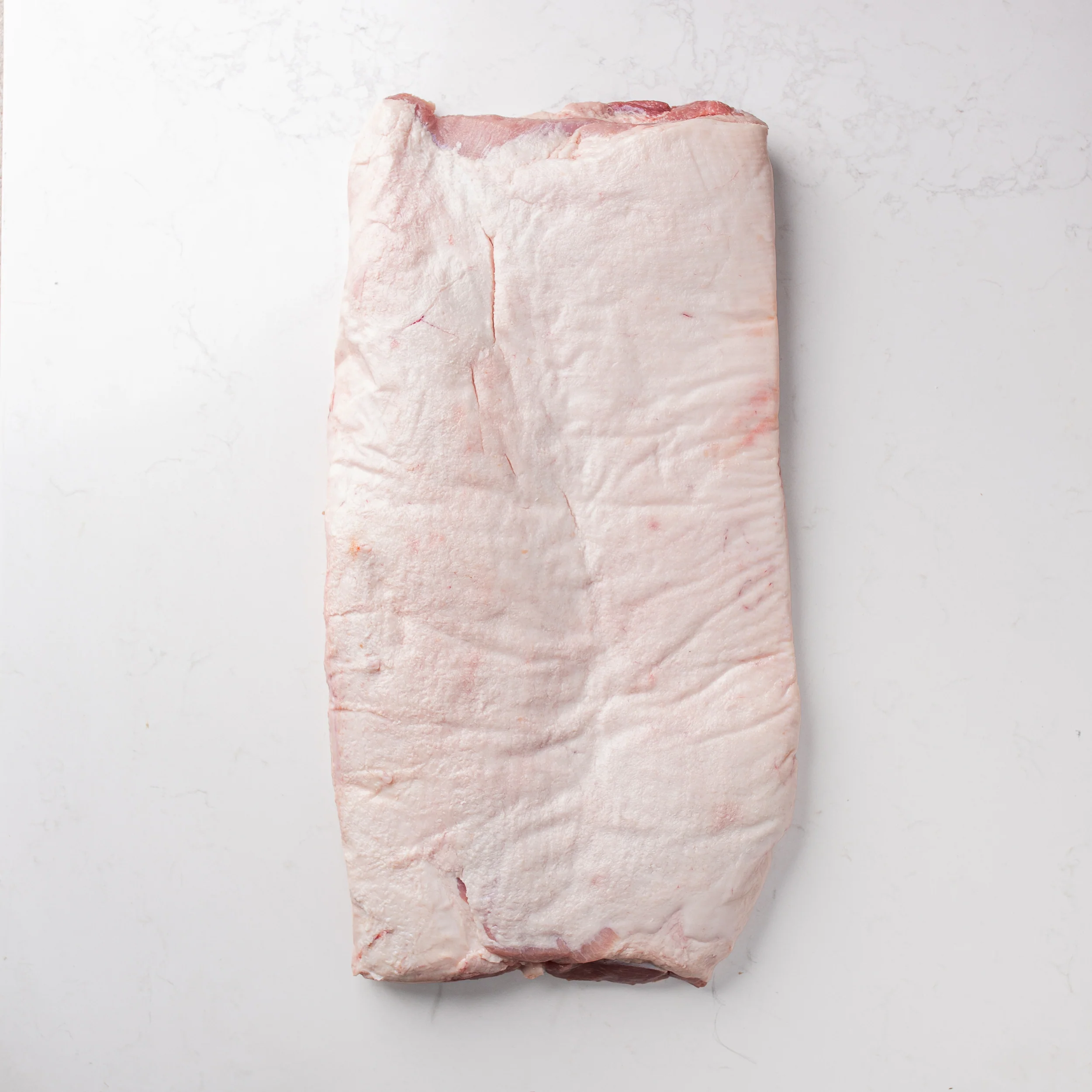
Wild Boar Belly Skin Off
A Richer Cut With Natural Balance
*5lbs
*Comes frozen
Belly is where wild boar gets interesting.
This isn't the thick, heavily marbled pork belly you find at the butcher counter. Wild boar belly carries its own distinct personality: leaner than domestic pork, but still rich enough to stay succulent during long cooking. The fat it does have is cleaner, more refined, with that characteristic wild flavour running through every layer.
Because wild boar moves constantly through forest and field, even the belly develops more muscle tone than farmed pork. You get meat that's both substantial and tender when cooked right, with fat that renders beautifully without becoming greasy. The skin-off preparation means you're working with pure meat and fat; no crackling, just straightforward cooking.
This cut shines in preparations where you want depth and richness without heaviness. Slow-roasted until the fat melts into the meat, braised until it falls apart, or even cured and smoked for something special. Order online today for fast pickup or next-day delivery in Toronto and the GTA.
Fat, Texture, and What to Expect
Wild boar belly sits in an interesting middle ground. It has more fat than the shoulder or leg, but significantly less than pork belly from grain-fed hogs. The fat layers are thinner and more evenly distributed throughout the meat, which means better flavour penetration when you're cooking it low and slow.
The texture is firmer and meatier than pork belly. You're getting actual substance here, not just fat that melts away. When properly cooked, wild boar belly develops tender, yielding meat with pockets of rendered fat that add moisture and richness without overwhelming the plate.
Because it's skin-off, you gain easier seasoning and more even cooking. The flavours you apply, whether it's a spice rub, marinade, or braising liquid, can penetrate directly into the meat and fat without a barrier.
Expect bold, earthy game flavour. This isn't subtle. It's assertive in the best way, and it can handle equally assertive seasonings and cooking methods.
How to Cook Wild Boar Belly
Wild boar belly responds beautifully to methods that give it time to break down and develop character. Here's how to approach it:
-
Start with a complete thaw: Move your frozen belly to the refrigerator at least 48 hours ahead. Rushing this step leads to uneven cooking.
-
Score and season: If your belly is thick, score the fat side in a crosshatch pattern (not too deep, just through the fat). This helps rendering and lets seasoning penetrate. Salt generously and add bold aromatics: garlic, fennel seed, black pepper, crushed coriander. Let it sit for several hours or overnight.
-
For roasting: Preheat your oven to 160°C (320°F). Place the belly fat-side up in a roasting pan and add about half an inch of liquid, stock, wine, or water work well. Cover tightly with foil and roast for 2.5-3 hours until tender. Remove the foil, increase heat to 200°C (400°F), and roast another 20-30 minutes to caramelize the exterior.
-
For braising: Brown the belly in a hot pan on all sides. Remove it, build an aromatic base with onions, garlic, and herbs, then return the belly to the pot. Add braising liquid until it comes halfway up the meat. Cover and cook at 140-150°C (285-300°F) for 3-4 hours until it's completely tender.
-
For portions: Once cooked, wild boar belly can be pressed overnight under weight in the refrigerator, then cut into neat squares and crisped in a hot pan before serving.
-
Rest properly: Always rest cooked belly for at least 15 minutes before cutting. This keeps the rendered fat and juices distributed throughout the meat.
Pairings That Stand Up to Bold Flavour
Wild boar belly needs sides and accompaniments with enough personality to hold their own:
-
Braised lentils with mustard: Earthy, slightly bitter, and substantial enough to balance the belly's richness while soaking up any pan juices.
-
Pickled vegetables: Quick-pickled red onions, daikon, or cabbage cut through fat and add brightness to every bite.
-
Roasted fennel and orange: The anise notes in fennel and the citrus acidity work beautifully against game meat's natural intensity.
-
Creamy mashed celery root: Smooth and slightly sweet, with an earthy undertone that complements rather than competes.
-
Dark leafy greens with garlic: Kale, chard, or mustard greens sautéed simply and finished with a squeeze of lemon keep things balanced.
-
Charred Brussels sprouts: Caramelized edges and nutty flavour make these a natural match for rich, slow-cooked meat.
How This Cut Is Prepared and Frozen
Your wild boar belly arrives vacuum-sealed and frozen, ready for your freezer until you need it. The vacuum-sealing keeps the meat protected from freezer burn while locking in quality during storage and shipping.
Everything travels in insulated packaging with temperature controls to ensure your order stays properly frozen from our facility to your door. Store the belly in your freezer for up to a year, moving it to your refrigerator when you're ready to cook. We offer next-day delivery across the greater Toronto area, with in-store pickup available as well.
Common Questions About Wild Boar Belly
Is wild boar belly very fatty?
Not compared to pork belly from domestic hogs. Wild boar belly has noticeably less fat because these animals are constantly active. You'll find thinner fat layers and more muscle development throughout the cut. It's still rich enough to stay moist during long cooking, but you won't get the same thick fat cap you'd see on grain-fed pork belly. Think of it as belly with more substance and less excess.
Does it cook differently than pork belly?
Yes, in subtle but important ways. Because it's leaner, wild boar belly can dry out if you treat it exactly like pork belly. You'll want to keep moisture in the cooking environment, whether that's covering it during roasting, adding braising liquid, or basting regularly. It also develops tenderness a bit faster than very fatty pork belly, so start checking for doneness around the 2.5-hour mark rather than assuming it needs the full 4+ hours that heavily marbled pork might require.
Is this better roasted or braised?
Both methods work, but braising is more forgiving with wild boar's leaner profile. When you braise, the belly stays surrounded by moisture and develops incredibly tender texture while absorbing flavours from your cooking liquid. Roasting works beautifully too, but you'll want to cover it for most of the cooking time and only uncover at the end for caramelization. If you're new to cooking wild boar, start with braising. It's harder to overcook that way.
Product Information
Product Information
Shipping & Returns
Shipping & Returns
Description
A Richer Cut With Natural Balance
*5lbs
*Comes frozen
Belly is where wild boar gets interesting.
This isn't the thick, heavily marbled pork belly you find at the butcher counter. Wild boar belly carries its own distinct personality: leaner than domestic pork, but still rich enough to stay succulent during long cooking. The fat it does have is cleaner, more refined, with that characteristic wild flavour running through every layer.
Because wild boar moves constantly through forest and field, even the belly develops more muscle tone than farmed pork. You get meat that's both substantial and tender when cooked right, with fat that renders beautifully without becoming greasy. The skin-off preparation means you're working with pure meat and fat; no crackling, just straightforward cooking.
This cut shines in preparations where you want depth and richness without heaviness. Slow-roasted until the fat melts into the meat, braised until it falls apart, or even cured and smoked for something special. Order online today for fast pickup or next-day delivery in Toronto and the GTA.
Fat, Texture, and What to Expect
Wild boar belly sits in an interesting middle ground. It has more fat than the shoulder or leg, but significantly less than pork belly from grain-fed hogs. The fat layers are thinner and more evenly distributed throughout the meat, which means better flavour penetration when you're cooking it low and slow.
The texture is firmer and meatier than pork belly. You're getting actual substance here, not just fat that melts away. When properly cooked, wild boar belly develops tender, yielding meat with pockets of rendered fat that add moisture and richness without overwhelming the plate.
Because it's skin-off, you gain easier seasoning and more even cooking. The flavours you apply, whether it's a spice rub, marinade, or braising liquid, can penetrate directly into the meat and fat without a barrier.
Expect bold, earthy game flavour. This isn't subtle. It's assertive in the best way, and it can handle equally assertive seasonings and cooking methods.
How to Cook Wild Boar Belly
Wild boar belly responds beautifully to methods that give it time to break down and develop character. Here's how to approach it:
-
Start with a complete thaw: Move your frozen belly to the refrigerator at least 48 hours ahead. Rushing this step leads to uneven cooking.
-
Score and season: If your belly is thick, score the fat side in a crosshatch pattern (not too deep, just through the fat). This helps rendering and lets seasoning penetrate. Salt generously and add bold aromatics: garlic, fennel seed, black pepper, crushed coriander. Let it sit for several hours or overnight.
-
For roasting: Preheat your oven to 160°C (320°F). Place the belly fat-side up in a roasting pan and add about half an inch of liquid, stock, wine, or water work well. Cover tightly with foil and roast for 2.5-3 hours until tender. Remove the foil, increase heat to 200°C (400°F), and roast another 20-30 minutes to caramelize the exterior.
-
For braising: Brown the belly in a hot pan on all sides. Remove it, build an aromatic base with onions, garlic, and herbs, then return the belly to the pot. Add braising liquid until it comes halfway up the meat. Cover and cook at 140-150°C (285-300°F) for 3-4 hours until it's completely tender.
-
For portions: Once cooked, wild boar belly can be pressed overnight under weight in the refrigerator, then cut into neat squares and crisped in a hot pan before serving.
-
Rest properly: Always rest cooked belly for at least 15 minutes before cutting. This keeps the rendered fat and juices distributed throughout the meat.
Pairings That Stand Up to Bold Flavour
Wild boar belly needs sides and accompaniments with enough personality to hold their own:
-
Braised lentils with mustard: Earthy, slightly bitter, and substantial enough to balance the belly's richness while soaking up any pan juices.
-
Pickled vegetables: Quick-pickled red onions, daikon, or cabbage cut through fat and add brightness to every bite.
-
Roasted fennel and orange: The anise notes in fennel and the citrus acidity work beautifully against game meat's natural intensity.
-
Creamy mashed celery root: Smooth and slightly sweet, with an earthy undertone that complements rather than competes.
-
Dark leafy greens with garlic: Kale, chard, or mustard greens sautéed simply and finished with a squeeze of lemon keep things balanced.
-
Charred Brussels sprouts: Caramelized edges and nutty flavour make these a natural match for rich, slow-cooked meat.
How This Cut Is Prepared and Frozen
Your wild boar belly arrives vacuum-sealed and frozen, ready for your freezer until you need it. The vacuum-sealing keeps the meat protected from freezer burn while locking in quality during storage and shipping.
Everything travels in insulated packaging with temperature controls to ensure your order stays properly frozen from our facility to your door. Store the belly in your freezer for up to a year, moving it to your refrigerator when you're ready to cook. We offer next-day delivery across the greater Toronto area, with in-store pickup available as well.
Common Questions About Wild Boar Belly
Is wild boar belly very fatty?
Not compared to pork belly from domestic hogs. Wild boar belly has noticeably less fat because these animals are constantly active. You'll find thinner fat layers and more muscle development throughout the cut. It's still rich enough to stay moist during long cooking, but you won't get the same thick fat cap you'd see on grain-fed pork belly. Think of it as belly with more substance and less excess.
Does it cook differently than pork belly?
Yes, in subtle but important ways. Because it's leaner, wild boar belly can dry out if you treat it exactly like pork belly. You'll want to keep moisture in the cooking environment, whether that's covering it during roasting, adding braising liquid, or basting regularly. It also develops tenderness a bit faster than very fatty pork belly, so start checking for doneness around the 2.5-hour mark rather than assuming it needs the full 4+ hours that heavily marbled pork might require.
Is this better roasted or braised?
Both methods work, but braising is more forgiving with wild boar's leaner profile. When you braise, the belly stays surrounded by moisture and develops incredibly tender texture while absorbing flavours from your cooking liquid. Roasting works beautifully too, but you'll want to cover it for most of the cooking time and only uncover at the end for caramelization. If you're new to cooking wild boar, start with braising. It's harder to overcook that way.